Cpanel Exceeded Your Disk Space Usage and File Uploading
How to optimize hosting account space
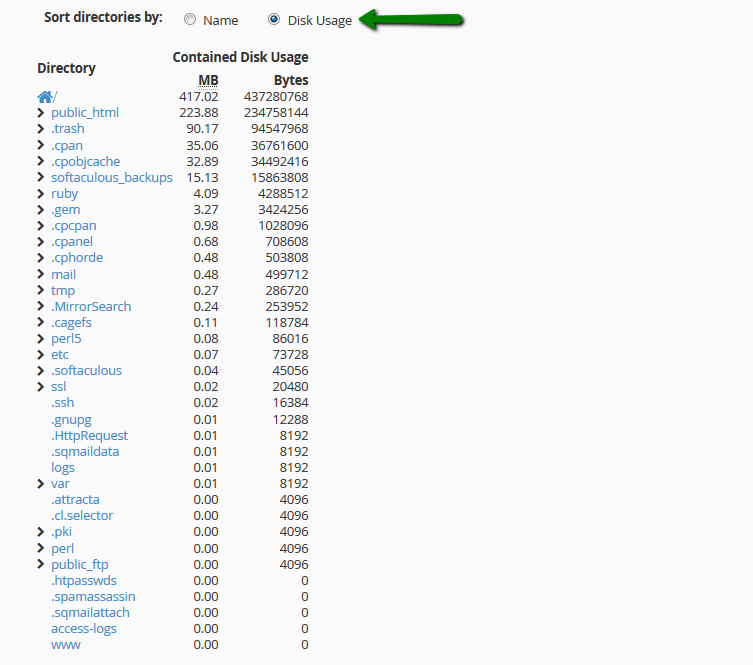
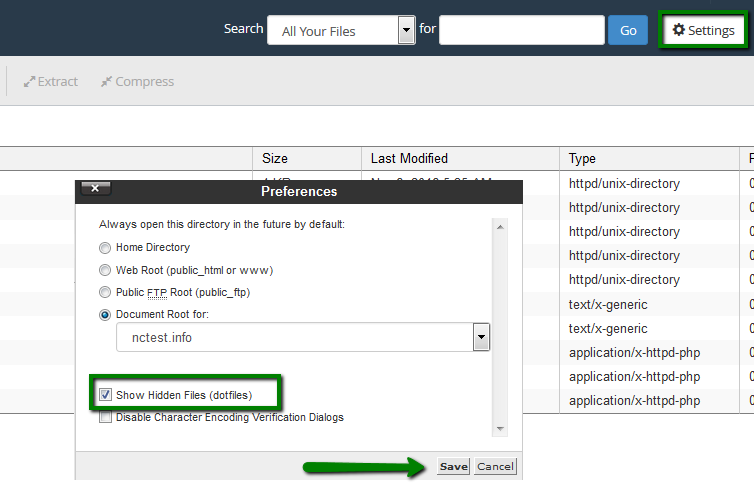
In this commodity, we volition explain how to clean upwardly your hosting account making some deejay space for future needs. Cases, when your website files take more than 2-4 GB, are quite rare, then before planning the upgrade to the next tier because of the excessive disk space usage or transferring your account to another server, we recommend checking if all files in your account are really necessary: How to check deejay space usage Y'all can discover the detailed disk usage stats of your cPanel account in Files section > Disk Space Usage menu: For cPanel Basic Theme: For cPanel Retro Theme: Note: Subconscious (dot) files and folders will not be shown in the list. In order to meet all files and folders, you should navigate to File Manager carte in cPanel with the Show Subconscious Files (dotfiles) option checked. Removing old or junk emails would be an effective solution for optimizing file usage infinite. Offset, you demand to find the Electronic mail Disk Usage menu in the Email department of your cPanel account. For cPanel Basic Theme: For cPanel Retro Theme: In the Account drop-down menu, allocate the email account with unwanted emails. Select it this way: For cPanel Retro Theme: Next, it is necessary to select a binder within the email account. This may exist Inbox, Sent, Spam, Junk, Trash, etc. In the Actions section virtually this folder, you lot volition meet the Manage button. Click on the arrow down and check the drib-down menu under the Messages to delete: Here you may sort emails by date, size, previous views or run a custom query. Afterwards that, click on Delete Permanently. You may run a custom Dovecot Query, which would sort emails according to the set parameter. For instance, if you need to remove emails received before December 31, 2020, put this: savedbefore 2020-12-31: If messages larger than 50 kilobytes should be removed, run: larger 50k For all types of queries you tin try, we recommend you get acquainted with the Dovecot Search Query documentation before using this feature. It is ever a good idea to keep backups of your websites or whole hosting account. Notwithstanding, if your website has a lot of media files or a big database, backups may take a significant amount of the hosting business relationship disk infinite. That is why one-time backups you need should exist downloaded and stored on your local machine and uploaded back just if required. Autonomously from manually created backups you can have backups generated by: 1. The Softaculous script Such backups are stored in /softaculous_backups/ directory in your hosting account: Both automatic and manual backups volition be stored in this folder. Yous can check (and delete) existing backups in Softaculous Apps Installer> Backups menu: The rotation of automatic backups can be adjusted in All Installations tab if needed: It is possible to change the fill-in frequency and rotation period there: 2. Backups created via the fill-in script/cron job (equally shown in this article) are stored in the dwelling house directory along with manually created backups: three. Backups created past CMS plugins/extensions are usually stored in the corresponding website folders. The PHP error log is generated or updated along with the new entries each time your PHP scripts are not executed correctly. If the file is non attended to in a timely mode, it tin abound a couple gigabytes big in spite of its being only a text file. We e'er suggest checking the issue which is actually causing these errors. 1. Contact us for assistance. We do not provide code-debugging back up, simply we may sometimes resolve server-related issues which are causing big mistake logs, or at least, indicate you in the right troubleshooting direction. two. If error_log contains only warnings and notices which are not affecting your website functionality, you can disable error logging in cPanel > Select PHP Version menu: 3. If you see a plugin or a theme proper noun in the error_log entry, you tin can contact the developer and provide him/her with the error message to pinpoint the crusade of the issue. Removing a domain from the list of addons does non actually remove all files/databases associated with it, so if you have a lot of folders named by domains which are no longer active or hosted somewhere else, you should consider removing them. Note: If you are non sure which files/databases can exist deleted and which cannot, we strongly suggest contacting a programmer or consulting with our support team before proceeding. Almost CMSs like WordPress or Joomla accept a database fastened to the website, which needs to be removed separately in cPanel > MySQL Databases menu: You can check what database is being used for the website in the configuration file, for example, wp-config.php for a WordPress website, configuration.php for Joomla, etc. Nosotros practice not allow either hosting websites with heavy media content or file storage on our shared servers due to server performance reasons. This is why we have limitations for downloadable files, specifically – no more than 10Gb of a shared hosting business relationship tin be allocated to music, video or other multimedia files including simply non limited to .avi, .mp3, .mpeg, .jpg, .gif files. You may discover more information about this and other limitations in our Adequate Utilize Policy – section Disk Usage Provision. If your website has a big corporeality of media content such as images or videos, we suggest storing them on file sharing servers designed specifically for this purpose. A long-lasting hosting business relationship may too accrue a big number of various junk files which are taking a lot of disk space. Known examples of such files are: Cadre dump files ( due east.k., core.xxxx files) – some hosting providers enable generation of cadre dumps which contain the recorded country of the working server memory at a specific time, generally, when the plan/script has terminated abnormally (crashed). Debugging scripts with the help of such files may be difficult and non needed since general logs usually provide the exact reason of a script failure, and then feel gratis to delete all of these files. Yous may as well run this cron task to find and delete all .core files in your account automatically: rm -f $( notice ${Domicile} | grep /core.[0-nine]*$ ) >/dev/nothing 2>&i Non-commitment reports in the default cPanel email account – each cPanel account has a default email account (cpanel_username@server_name), all system emails related to your cPanel mail service service will exist going to this mailbox, eastward.g., non-commitment reports about emails sent by cPanel (including emails sent by some PHP scripts), cron job running reports, unrouted emails, etc. In social club to delete all emails/files in the default email accounts, feel free to employ these cron jobs: cd /abode/cPanel_username/post/new/; rm -fv * Make certain you update cPanel_username with your actual cPanel username. Website cache – incorrectly configured caching plugins may cause disk space usage issues as well. Hither you can find the guidelines on how to flush WordPress and Joomla caching plugins. That'southward information technology! Need any aid? Contact our HelpDesk
How to remove unnecessary emails
Unnecessary backups
Huge error_logs
Old websites data
Big media files
Junk files
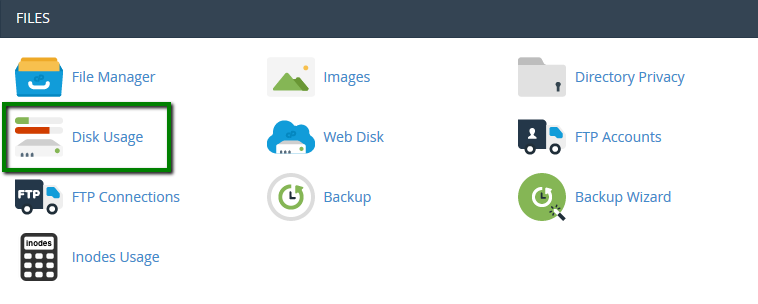
 Inside, yous tin bank check full general statistics by folders or sort folders by their disk space usage: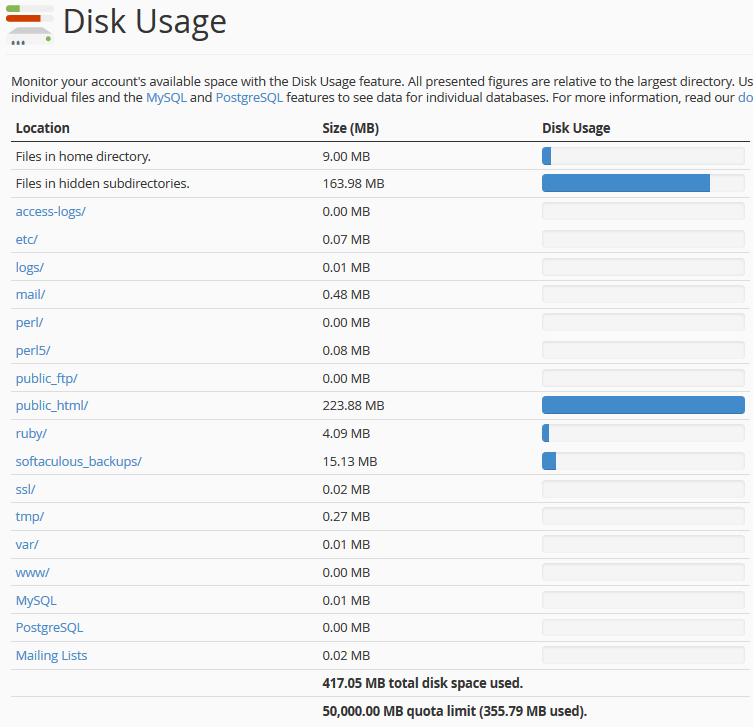
How to remove unnecessary emails 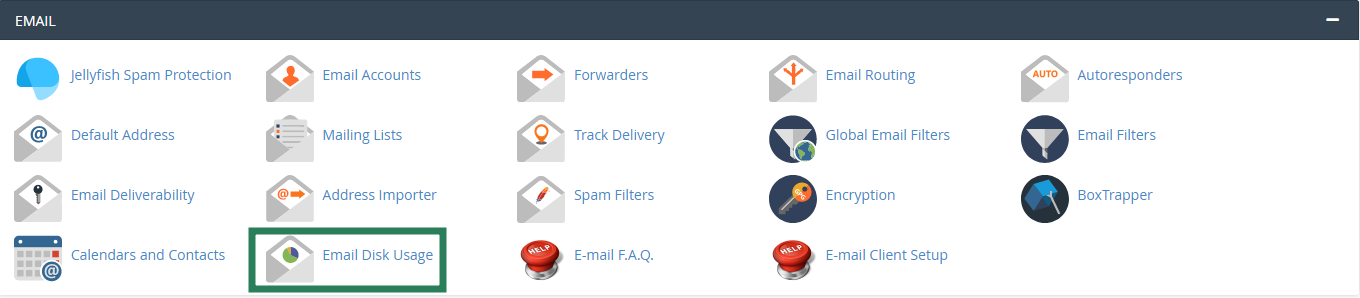
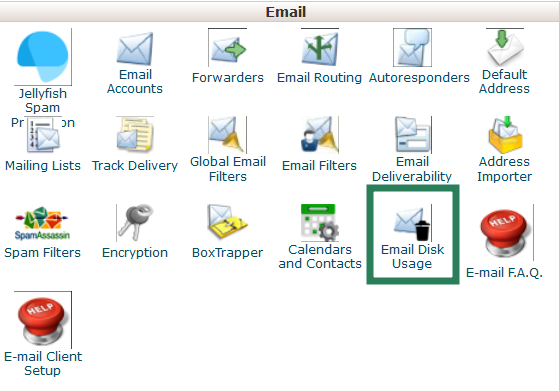
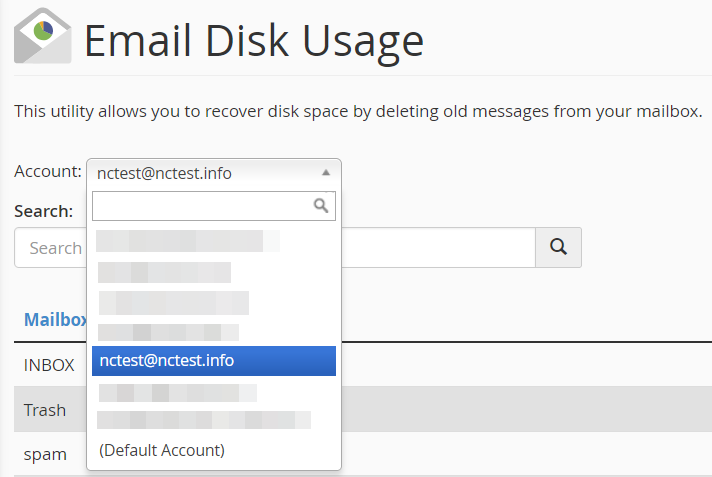
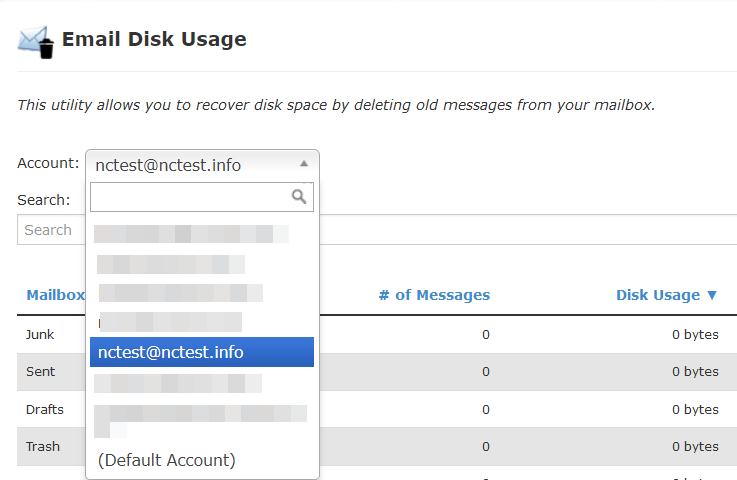


Unnecessary backups 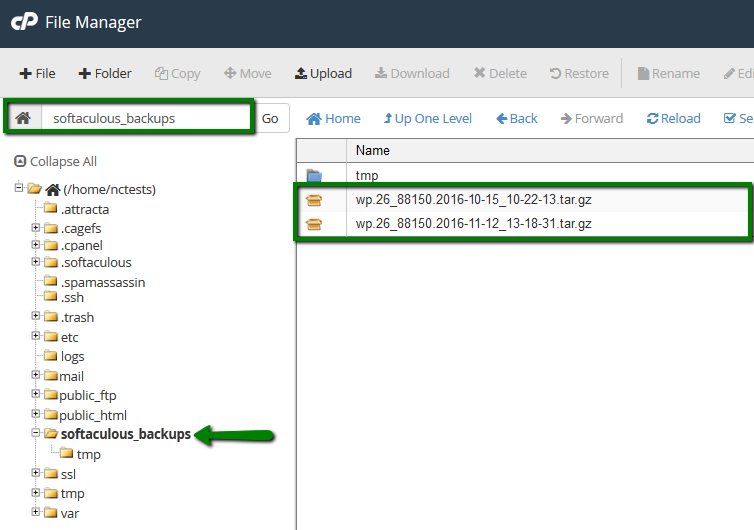
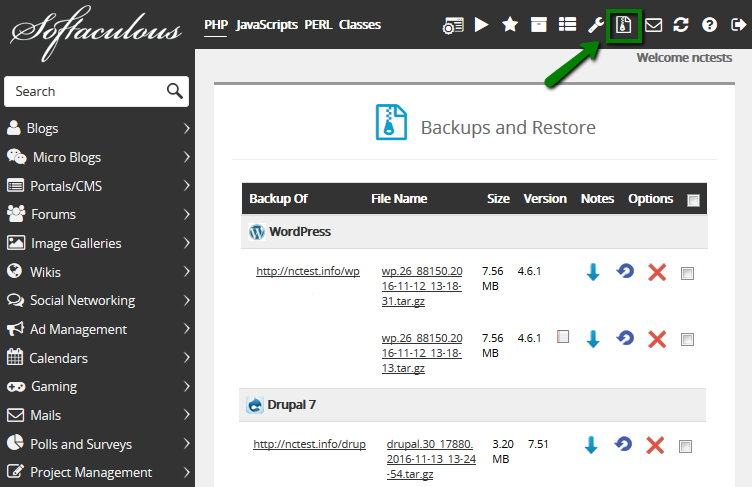
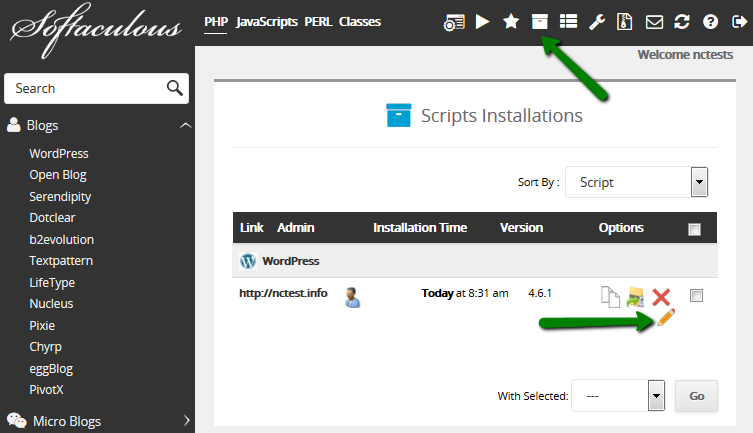
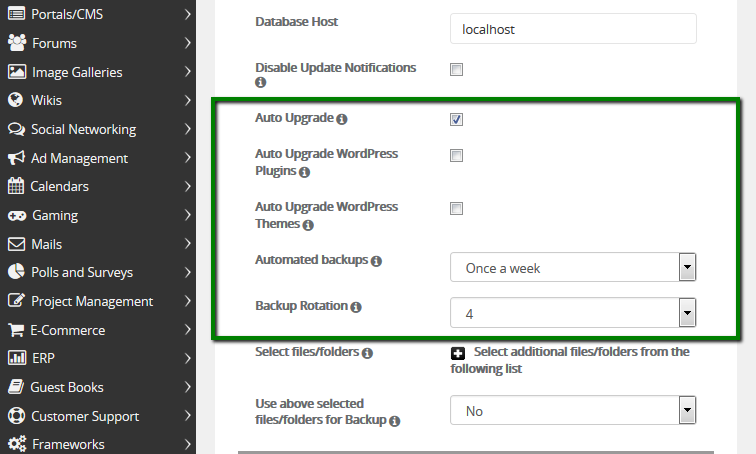
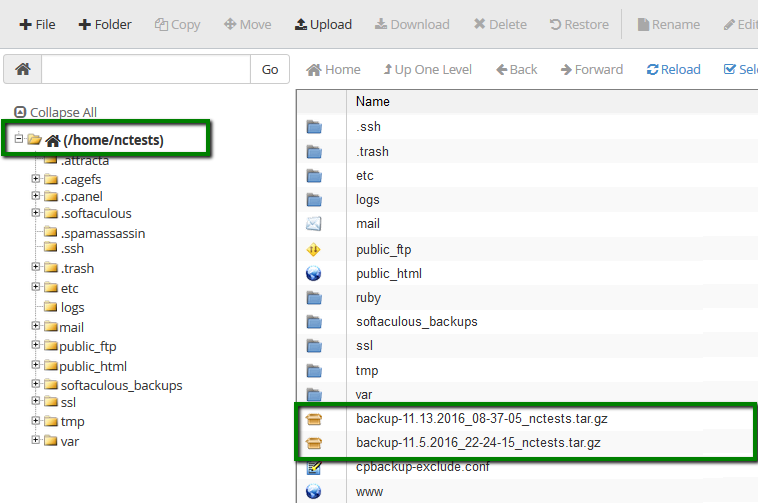
To find out their exact location, check the Deejay space usage carte du jour or contact the script programmer.
Huge error_logs
But if you are sure that your website is working correctly, and you fail to locate and resolve the matter, we recommend the following: 
Data of one-time websites 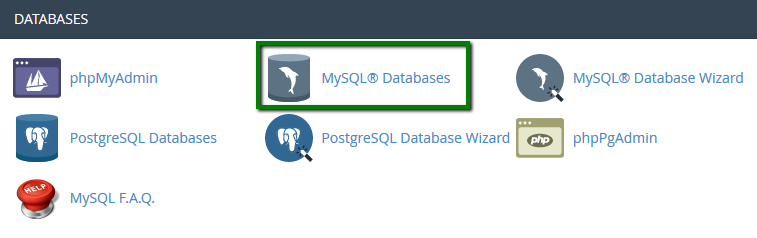
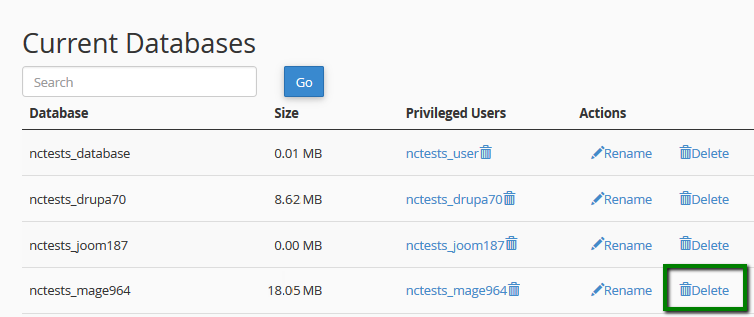
For the exact config file location, refer to the website script documentation.
Junk files
Despite their small size a big number of such emails may besides crusade issues with the account deejay infinite usage.
cd /abode/ cPanel_username /mail/cur/; rm -fv *
We strongly recommend using just one caching plugin per website at a fourth dimension. Normally, buried files are stored in the plugin's cache folder, exist advised to affluent the plugin's cached data from time to time.
Source: https://www.namecheap.com/support/knowledgebase/article.aspx/9541/2194/how-to-optimize-hosting-account-space/
0 Response to "Cpanel Exceeded Your Disk Space Usage and File Uploading"
Post a Comment